Currently reading
Asia’s Solutions for the Global Mozzie Challenge: Why Collective Action Can’t Wait
Share to
Insights / Blog / Asia’s Solutions for the Global Mozzie Challenge: Why Collective Action Can’t Wait

Asia’s Solutions for the Global Mozzie Challenge: Why Collective Action Can’t Wait

24 Feb 2026
sticky-image--desktop

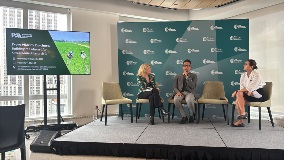
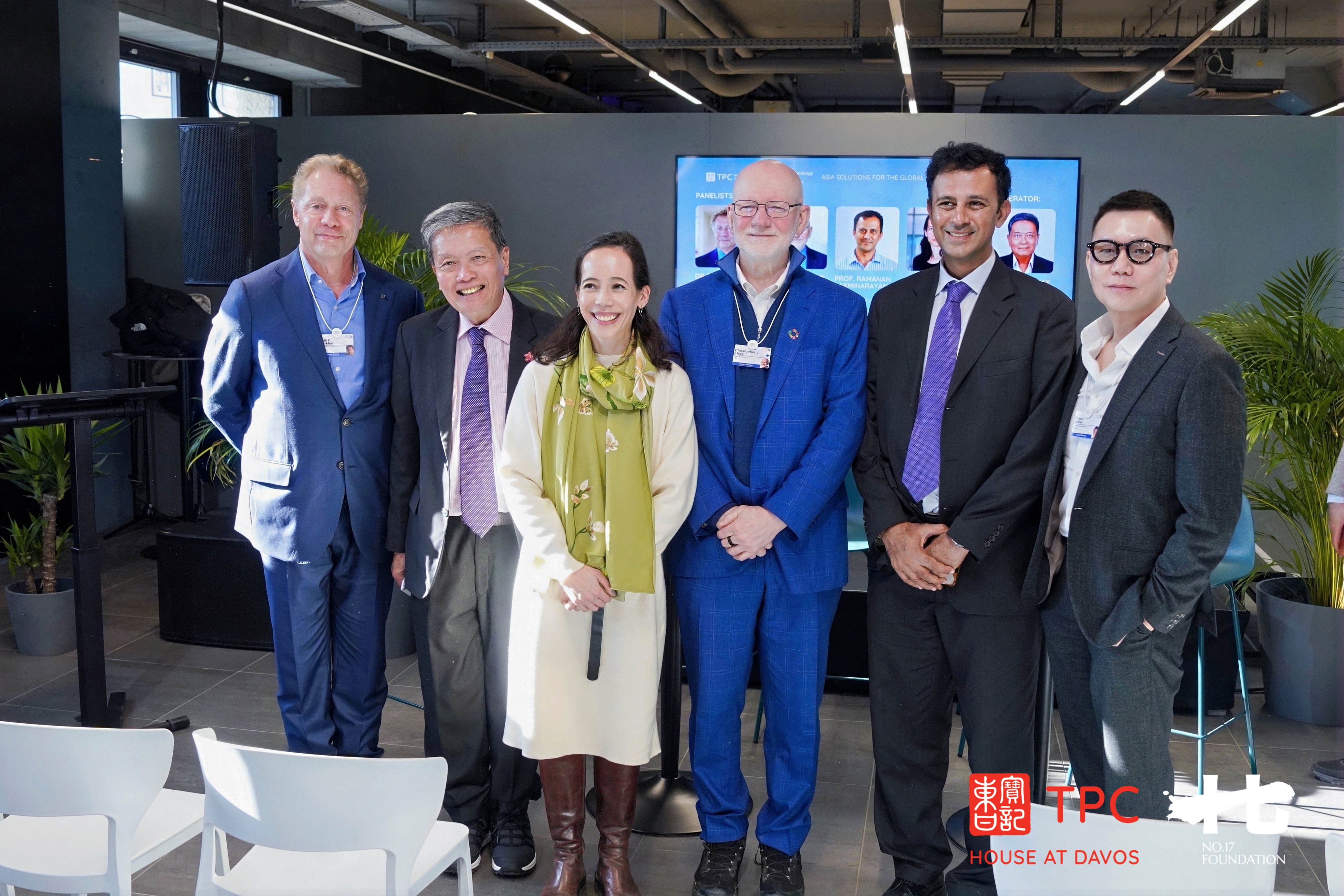
L-R: Dr Seth F. Berkley, Chief Strategic Technical Officer at Serum Institute of India; Dr Lee Fook Kay, Head of Pandemic Preparedness at Temasek Foundation (Moderator); Ms Aurélia Nguyen, Deputy CEO of the Coalition for Epidemic Preparedness Innovations (CEPI); Dr Christopher J. Elias, President of Global Development at the Gates Foundation; Professor Ramanan Laxminarayan, President of the One Health Trust; Mr Shaun Seow, CEO, Philanthropy Asia Alliance (Photos: The TPC House)


Mosquitoes may be small, but the risks they carry are anything but.


As climate change accelerates, urbanisation intensifies, and global mobility rebounds, mosquito-borne diseases are spreading faster and further than before. Dengue, malaria, chikungunya, and other vector-borne diseases are no longer confined to the tropics or treated as seasonal public health concerns. They are becoming a shared global vulnerability – intersecting health systems, climate resilience, economic stability, and social trust.


During the World Economic Forum Annual Meeting 2026 in Davos, Switzerland, the Philanthropy Asia Alliance (PAA) convened a panel on “Asia’s Solutions for the Global Mozzie Challenge” to explore how Asia’s lived experience can help shape a more coordinated global response.


“Asia sits at the front line of these challenges,” said PAA CEO Shaun Seow in his opening remarks. “The region carries a heavy burden of mosquito-borne diseases – but it also offers deep experience in solving them. The problem is that too many of these efforts are still in silos.”


A shifting risk landscape


Moderated by Dr Lee Fook Kay, Head of Pandemic Preparedness at Temasek Foundation, the panel highlighted how the mosquito challenge is intensifying across Asia. From chikungunya outbreaks in southern China to rising cases of zoonotic malaria in Malaysia, the region is facing a more complex and dynamic disease environment shaped by climate change, land-use shifts, and human mobility.
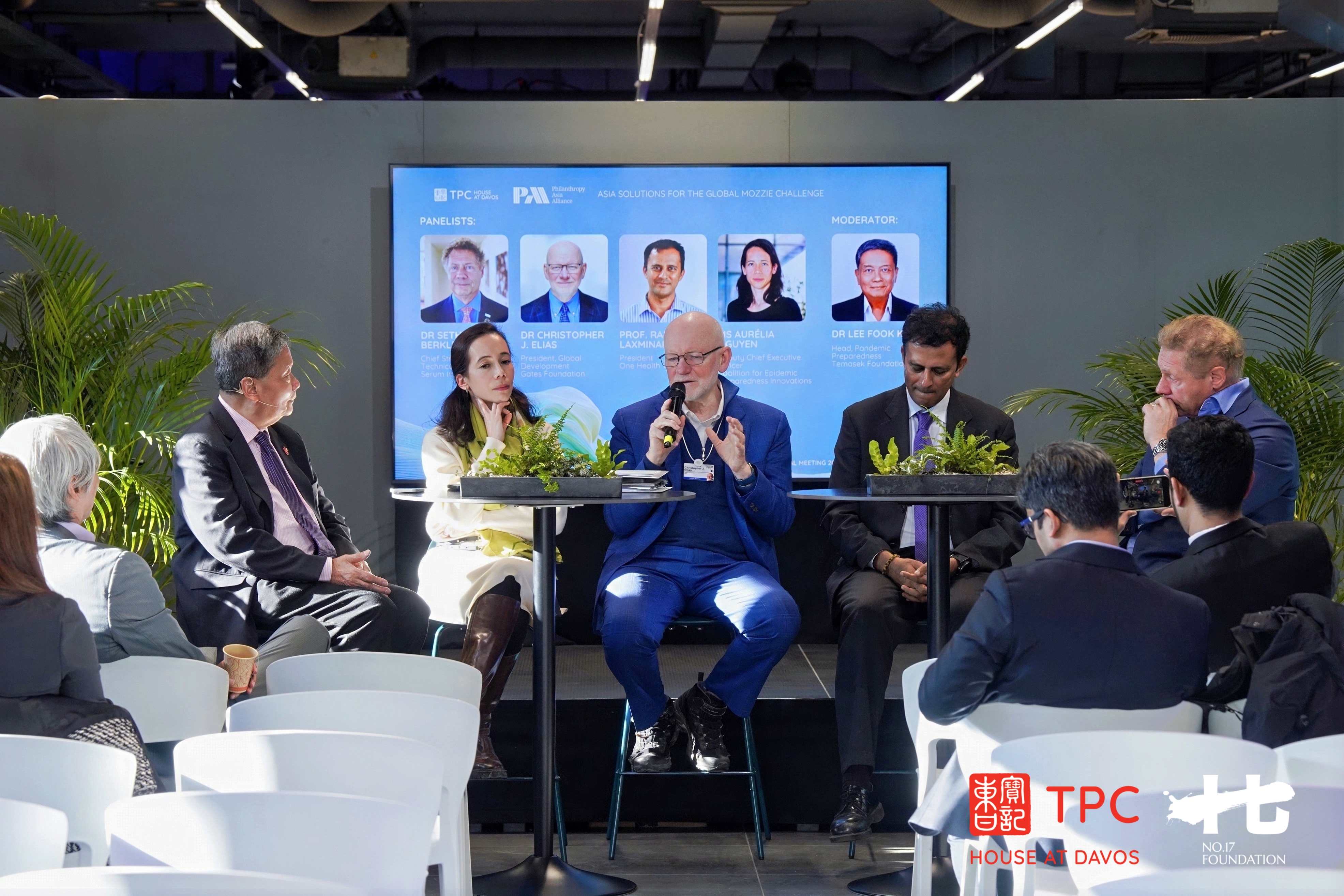


“Climate change has already made dengue much worse,” noted Dr Christopher J. Elias, President of Global Development at the Gates Foundation. “We’re seeing it in places where we never saw it before.”


But the challenge is not only where mosquito-borne diseases are spreading – it is also how they are persisting. “We are seeing asymptomatic malaria, where individuals may not realise they are infected, yet remain capable of transmitting the disease,” said Dr Lee.


These trends point to a sobering reality: preparedness is no longer just about responding once outbreaks occur. It is about anticipating risk – and acting early.


Surveillance buys time, and time saves lives


A central theme of the discussion was surveillance as the foundation of prevention.


“When you have good surveillance, it buys you time – and time is the most precious thing you can have during an outbreak,” said Ms Aurélia Nguyen, Deputy CEO of the Coalition for Epidemic Preparedness Innovations (CEPI).


Early detection enables faster intervention, lowers costs, and informs smarter decisions – from resource deployment to vaccine development. Better surveillance data, panellists noted, can fundamentally change the economics of prevention by revealing the true scale and trajectory of disease burden.


Building on the importance of surveillance, several speakers emphasised the need to move beyond siloed, human-only systems toward integrated One Health approaches that combine epidemiological, entomological, genomic, animal, and environmental data.


“Traditional surveillance systems were built for a different era. That era is coming to an end,” said Professor Ramanan Laxminarayan, President of the One Health Trust, underscoring the need for surveillance systems that can integrate data across human, animal, and environmental domains – and translate early signals into timely action.


Emerging approaches, such as wastewater monitoring, illustrate how environmental data can complement clinical surveillance by detecting outbreaks weeks before cases spike – but only if countries share data and link signals to action.


Innovation must be matched with coordination and trust


The panel also examined advances in vector control, including Wolbachia-based strategies and emerging gene-based approaches. While promising, panellists were clear that innovation alone is not enough.


Different vector control strategies can undermine one another if deployed without coordination, while public concern and misinformation can derail even well-designed programmes.


“The only thing that spreads faster than vector-borne diseases is misinformation,” said Dr Elias. Building trust, engaging communities, and taking step-by-step approaches are essential, particularly for newer technologies.


This reinforced the importance of People as the missing fourth ‘P’ in coordinated action. Effective responses require public, private, and philanthropic actors working together, with communities at the centre to ensure adoption and behavioural change.


Vaccines, markets, and the challenge of scale


Vaccines and therapeutics remain critical tools, but panellists were candid about existing gaps. Dengue’s multiple serotypes, evolving resistance, and weak commercial incentives have slowed progress, while several promising antivirals have stalled due to insufficient demand.


“If there is no market, vaccines don’t move forward. That’s the hard truth,” said Dr Seth F. Berkley, former CEO of Gavi and Chief Strategic Technical Officer at Serum Institute of India. Scale, he stressed, is key – not only to reduce costs, but to make innovation viable.


Introducing the Global Consortium Against Mosquito-Borne Diseases: A platform for collective action


To address fragmentation across surveillance, vector control, and R&D, the panel introduced the Global Consortium Against Mosquito-Borne Diseases (GCAM) – a proposed platform jointly led by PAA, Temasek Foundation, and Temasek Life Sciences Laboratory.


GCAM is envisioned as a catalytic platform to align funders, governments, research institutions, and innovators to translate science into impact at scale — strengthening surveillance, coordinating vector control strategies, accelerating next-generation tools, and keeping people at the centre.


A call to act, together



Mosquito-borne diseases are often underestimated precisely because they are familiar. But as the panel discussion made clear, familiarity should not breed complacency.


Climate change is reshaping risk faster than systems are adapting. Fragmented responses are no longer sufficient. What is needed now is collective foresight, coordination, and commitment – across borders, sectors, and disciplines.


📄 View excerpts from our white paper on GCAM and the case for a coordinated platform.

🤝 Reach out to [email protected] to express interest in joining GCAM.

Further reading

24 Mar 2025
A New Asian Renaissance: Insights from PAA’s Breakfast Session in Davos

Over 20 cross-sector leaders came together during PAA’s closed-door breakfast session at Davos to discuss strategies to accelerate Asia’s transition towards a sustainable future.

26 Sep 2024
PAA, One Year In: Building Momentum Towards Impact

Following PAA's launch in September 2023, we reflect on our year of learnings and look forward to deepening collaborations to advance Asia-focused solutions for a sustainable future.

29 Apr 2025
Philanthropy Asia Summit 2025: Priming Asia for Good

19 Nov 2024
#ThreeQuestionsWith Dawn Tan, Asia Centre for Changemakers: Unlocking Holistic Philanthropy for Impact

Dawn Tan, Head of the Asia Centre for Changemakers, discusses how Holistic Philanthropy can transform the philanthropic landscape in Asia by aligning capital, impact, and community needs.

09 May 2024
Impact Journeys — Philanthropy Asia Summit 2024

This year's Philanthropy Asia Summit (PAS), organised by the Philanthropy Asia Alliance (PAA), featured immersive, impact-in-action site visits to Sembcorp Tengeh Floating Solar Farm and the OceanXplorer research vessel operated by OceanX.

11 Dec 2025
Amplifier: Launching New Tracks to Support High-Impact Startups

Amplifier 2025 launches new tracks in textiles, tourism, and employment, offering startups catalytic capital, deep mentorship, and ecosystem support to scale impactful solutions across Asia and beyond.

05 Jun 2025
Catalysing Collective Action for a Sustainable, Liveable Asia: PAS 2025 Insights

Addressing the climate crisis and building a sustainable, liveable future for Asia requires bold, inclusive, and systemic action, as global and regional leaders highlighted at the Philanthropy Asia Summit 2025.

23 Jun 2025
Catalysing Ocean Action in Asia: PAA at BEFF and UNOC 2025

PAA joined global leaders at BEFF and UNOC 2025 to spotlight Asia’s ocean leadership, strengthen partnerships, and explore how philanthropy can scale innovation, community stewardship, and marine protection. Dive into our key engagements and next steps.

05 Jun 2025
Fostering Systems for Well-Being and Resilience in Asia: PAS 2025 Insights

Pandemic preparedness, climate-linked health impacts, food systems, and more were explored at the Philanthropy Asia Summit 2025. Delegates were urged to think big and act collectively to drive systems change.

10 May 2024
Philanthropy Asia Summit 2024: Partnerships for Action

Themed "Partnerships for Action", this year’s Philanthropy Asia Summit (PAS) by the Philanthropy Asia Alliance (PAA) took place from 15-18 April and brought together over 400 participants from the global philanthropic, private, and public sectors.

30 Oct 2025
Bridging Borders, Building Momentum: Highlights from PAA’s Global Engagements

Explore key takeaways from our recent global engagements — on how philanthropy can bridge policy and innovation, mobilise capital for climate action, and drive collective impact across Asia and beyond.

03 Dec 2025
Weaving Circularity into Supply Chains: The Amplifier 2025 Textiles Cohort

Four impact innovators from the Amplifier 2025 Textiles Track are transforming how the world makes and remakes apparel.

10 Sep 2024
Harnessing the Power of Philanthropic-Public-Private Partnerships — PAA Chats

In the latest edition of PAA Chats, PAA members and partners share their insights on how innovative multi-sector partnerships are creating sustainable, scalable solutions and fostering systemic change.

19 Nov 2024
The Evolving Landscape of Asian Philanthropy: A Call for Strategic Giving

PAA member Badr Jafar discusses the evolution of Asian philanthropy, emphasising the importance of strategic giving, collaboration, and innovation to drive sustainable impact.

19 Aug 2025
Catalytic Partnerships Transforming Systems: Insights from the GAEA Awards

In this op-ed, Luis Alvarado, Head of GAEA at the World Economic Forum, shares insights from the GAEA Awards at PAS 2025 — spotlighting how catalytic philanthropy and cross-sector partnerships scale systemic solutions for climate, nature, and development.

24 Feb 2026
When Health Risks Collide: The Case for a One Health Approach in Asia

On the sidelines of Davos 2026, PAA convened cross-sector leaders to examine how a One Health approach can strengthen Asia’s resilience against interconnected threats – from antimicrobial resistance to emerging pandemics.

05 Jun 2025
Unlocking Human Potential for Sustainable Development: PAS 2025 Insights

From early childhood nutrition to equitable education and digital inclusion, sustainable progress requires integrated, people-first approaches and bold investments, speakers highlighted at the Philanthropy Asia Summit 2025.

05 Jun 2025
Philanthropy Asia Summit 2025 Highlights

PAA members and partners played an integral role at PAS, anchoring partner events, sharing insights, hosting immersive learning journeys, and spotlighting high-impact scalable initiatives. Discover key highlights and takeaways.

26 Sep 2024
#ThreeQuestionsWith Beth Thompson, Wellcome Trust: Navigating the Intersection of Climate and Health

Beth Thompson, Chief Strategy Officer at Wellcome Trust, explores the foundation’s focus on the intersection of climate and health in Asia, and how philanthropy can drive tangible impact in this vital area.

15 May 2024
Amplifier: Supporting Impact Startups to Scale

The Amplifier mentorship programme’s first cohort of mentees — impact ventures Circ, GRST, MAYANI, MYCL, and Sampangan — had a fruitful induction week in Singapore, participating in workshops, masterclasses, and networking events.

26 Jan 2025
From Sustainable Rice to Blockchain Technology: Two PAA Impact Projects Shaping the Future of Climate Action

Decarbonising Rice by Temasek Life Sciences Laboratory and Climate Action Data (CAD) Trust were recognised at the World Economic Forum’s inaugural World Economic Forum GAEA Awards for their groundbreaking approaches to tackling climate challenges.

13 Dec 2025
Collaboration in Motion: Learning from Singapore’s Impact Ecosystem

PAA and the Sustainable Social Value (SSV) Collaborative co-hosted a two-day learning journey in Singapore, bringing together leading corporates from China to explore collaborative philanthropy, impact investing, and shared value.

05 Jun 2025
Strengthening Ecosystems for Lasting Impact: PAS 2025 Insights

Ecosystem-building stood out as a core theme at the Philanthropy Asia Summit 2025. Beyond funding, enduring solutions also require coordinated platforms, shared vision, and long-term collaboration across sectors.

11 Feb 2026
Rethinking Tourism from the Ground Up: The Amplifier 2025 Tourism Cohort

From turning agricultural waste into antibacterial, compostable packaging to creating sustainable menus, the Amplifier 2025 Tourism cohort demonstrates how sustainable tourism supply chains can be reinvented for resilience and circularity.

11 Sep 2024
Tackling Complex Issues with a Systems Lens — PAA Chats

In the latest edition of PAA Chats, PAA members and partners share their insights and experiences of driving and scaling impact through a systems lens.

30 Oct 2025
Expanding Asia’s collaborative philanthropy network: PAA deepens partnerships in China and Indonesia

Strengthening ties across China and Indonesia, PAA expands its collaborative philanthropy network with new partnerships that bridge local expertise and regional impact.

17 Jul 2025
Bridging Sectors to Catalyse Change — PAA Chats

Transforming energy, health, education, and food systems calls for close collaboration across sectors. Delve into insights by PAA's members and partners.

26 Jan 2025
#ThreeQuestionsWith Ginggay Hontiveros-Malvar, Aboitiz Foundation: Empowering People for a Sustainable Future

Ginggay Hontiveros-Malvar, President of the Aboitiz Foundation, reveals how an integrated approach to education, job creation, and environmental stewardship is transforming communities and shaping a brighter future.

12 Dec 2025
PathGen: Harnessing Genomics and AI for Early Disease Detection

An AI-powered, sovereign-by-design platform, PathGen turns genomic data into actionable insights, helping countries detect and respond to infectious disease threats faster.

01 Jul 2024
Aligning Capital for Climate Action: Insights from the World Economic Forum Virtual Convening on Blended Finance

Investing in climate and nature has become more urgent than ever, demanding innovative financial strategies that bridge gaps across public, private, and philanthropic sectors.

14 Feb 2025
Building a resilient future: Mobilising philanthropy in Asia for climate solutions

Asia Philanthropy Circle, ClimateWorks Foundation, and Philanthropy Asia Alliance discuss the role of philanthropy in driving impactful climate solutions.

19 Jan 2025
The Asian philanthropy renaissance: Forging sustainable development

Economies across Asia are changing rapidly, as challenges and opportunities converge — and philanthropy has a role to play in this moment.